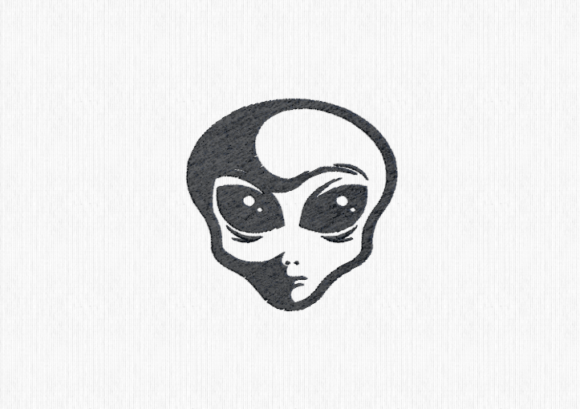
Alien Embroidery Design Review: A Real-World Test for Your Next Project
As a designer who spends more time in the hoop than behind a computer, I am always skeptical of new downloads. We have all seen those flashy previews that look perfect on a screen but turn into a tangled mess once they hit the fabric. Recently, I decided to put the Alien machine embroidery design through the wringer before adding it to my commercial collection. This isn't just about whether the file opens correctly; it is about how the design behaves on actual materials and how it translates into a finished product that customers will actually want to wear or display.
The premise is simple enough: stitch a space invasion on your favorite fabric or shirt with this cool embroidery design to create your own Area 51. It falls under the Robots category, which usually implies geometric precision or mechanical details, but this piece leans heavily into the extraterrestrial vibe. My goal was to see if it holds up as a viable asset for custom apparel, boutique merchandise, or personalized gifts without requiring hours of manual editing.
First Impressions: The Mood and Visual Personality
When you first open the embroidery file, the immediate takeaway is its boldness. The layout feels aggressive yet playful, perfectly capturing the chaotic energy of a classic sci-fi encounter. Unlike many robot designs that feel stiff or overly technical, Alien has a distinct visual personality that suggests movement. It does not sit passively on the fabric; it demands attention.
For a handmade product, this mood is crucial. When I imagine this design on a tote bag or a sweatshirt, it immediately elevates the item from generic merchandise to something with a story. The shapes are defined well enough to be recognizable even at smaller scales, which is often the weak point in digital assets. The silhouette suggests an alien figure rather than a complex robot, making it versatile for various themes ranging from Halloween decor to modern streetwear. It creates a sense of intrigue that fits perfectly with the "Area 51" narrative promised in the description.
Real-World Application: From Scrap Fabric to Finished Product
I tested this design across several scenarios to simulate real-life client work. The first test was on a heavy cotton canvas for a custom embroidered patch. The density of the stitches held up remarkably well against the thick weave. The fill stitches provided excellent coverage, ensuring no fabric showed through, which is vital for patches that need to withstand wear and tear. The result was a crisp, professional-looking badge that felt durable.
Next, I moved to softer fabrics, specifically looking at baby clothes and nursery decor. Here, the design's performance became a bit more nuanced. On a soft muslin onesie, the satin stitches around the edges required careful tension adjustments. If the thread tension is too tight, the design puckers the delicate fabric, ruining the drape of a baby garment. However, when stabilized correctly, the Alien design adds a whimsical touch that parents love for personalized gifts. It transforms a plain outfit into a unique keepsake that stands out in a sea of mass-produced items.
I also experimented with the design on a polyester blend sweatshirt, a staple for craft fair vendors. The high contrast potential here is where Alien truly shines. Using bright neon threads against a dark charcoal background created a striking visual pop that caught the eye of every passerby at a recent market. For Etsy sellers and small shop owners, this kind of visibility is gold. It proves that the design works not just as a novelty, but as a strong branding element for a creative entrepreneur.
Where to Exercise Caution
Despite its strengths, there are specific situations where using Alien requires a strategic approach. Small hoop sizes can be tricky with this particular layout. If you attempt to shrink the design significantly for a tiny accessory like a keychain or a child's bib, you risk losing the definition of the finer details. The corners of the design might become blocky if the resolution of the stitching is compromised by the reduced size.
Fabric texture is another critical factor. While it performs beautifully on smooth cottons and stable blends, textured fabrics like bouclé or rough linen can obscure the intricate lines of the embroidery. The uneven surface makes it difficult for the needle to penetrate consistently, leading to skipped stitches or a muddy appearance. Similarly, stretchy fabrics require extra vigilance. Without a robust stabilizer, the dynamic nature of the design could distort the fabric, causing the alien figure to look warped after washing.
Dense stitch areas should also be monitored. If you plan to layer multiple colors or add excessive detail, the resulting thickness might make the garment uncomfortable to wear, especially on children's clothing or fitted shirts. Always check the stitch density before committing to a large production run.
Impact on Brand Consistency and Customer Trust
In the world of handmade products and commercial embroidery, the quality of the finish directly correlates to customer trust. A poorly executed design can make a boutique brand look amateurish, while a clean, well-stitched piece reinforces professionalism. The Alien design offers a solid foundation for building that trust. Its clear lines and balanced composition suggest that the maker cares about the details.
When a buyer receives a personalized gift featuring this design, the visual appeal extends beyond the image itself. It speaks to the effort put into the creation process. Whether it is a holiday gift, a wedding favor, or a custom apron for a chef, the design adds a layer of personality that generic patterns lack. For digital product sellers, having a design that renders cleanly in printable mockups is essential for driving sales. The sharp contrast and distinct shapes of Alien ensure that the digital preview accurately represents the physical reality, reducing the likelihood of returns due to mismatched expectations.
Practical Designer Notes for Success
To get the most out of this machine embroidery design, I recommend a few specific steps before starting your project. First, always test the design on scrap fabric that matches your final material. This allows you to adjust the tension and stabilizer choice without risking your main project. Pay close attention to the thread color contrast; some shades may blend too much depending on the fabric, so review your options carefully.
Inspect the small details in the design file before stitching. Look for any potential issues with the running stitch sections or the transition points between fill and satin stitches. Confirming the hoop size is also non-negotiable; ensure your embroidery machine can accommodate the full dimensions of the design without cutting off any elements. If you are working with dark fabric, consider using a contrasting underlay or a lighter thread base to prevent the design from sinking into the background.
Finally, verify the licensing terms. If you intend to sell finished items or use the design as part of a larger commercial project, confirm that you have the necessary rights. Do not assume that a download includes unlimited commercial use unless explicitly stated. Checking these details upfront protects your business and ensures you are operating ethically within the craft community.
Ultimately, Alien is a versatile and engaging addition to any embroidery library. It bridges the gap between fun novelty and professional execution, making it suitable for everything from a quick hobbyist project to a high-end boutique line. By understanding its strengths and limitations, you can leverage its unique character to create standout products that resonate with your audience.