Spider Web Frame: A Designer's Review for Real Projects
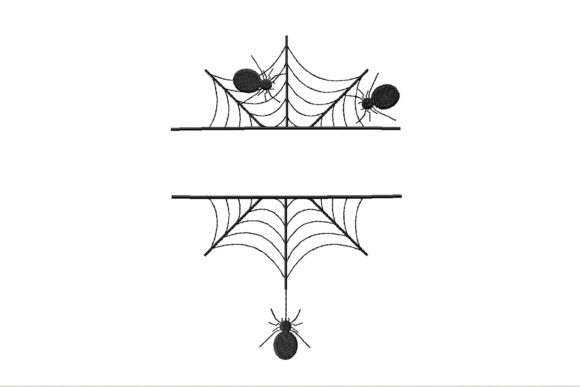
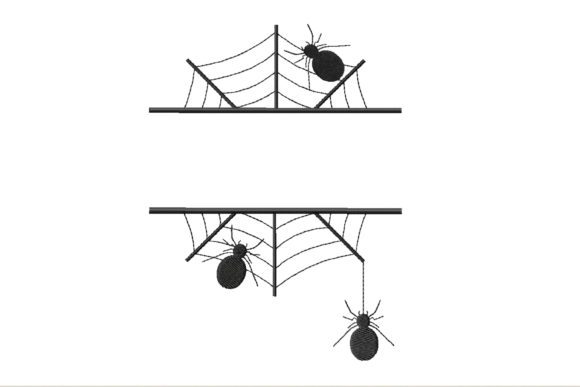
When I first opened the file for Spider Web Frame, my immediate reaction wasn't about the spooky theme, but rather the structural integrity of the layout. As someone who spends hours troubleshooting stitch errors and evaluating designs for client orders, I look past the initial aesthetic to see how a design will actually behave on fabric. This piece isn't just a generic Halloween graphic; it is a functional machine embroidery design that requires specific consideration before it hits your hoop. The frame concept offers a unique opportunity to integrate text or smaller motifs inside the web, making it highly versatile for custom apparel and boutique products.
The visual personality of this design strikes a balance between intricate detail and open negative space. In a crowded market like Etsy, where handmade sellers compete for attention, a design that allows for customization while maintaining a strong silhouette is gold. The spider web motif creates an immediate mood of mystery and seasonality, but the framing element suggests a window or a portal. This makes it perfect for layered projects, such as a tote bag with a contrasting inner pocket or a sweatshirt with a vintage-style patch application. It feels less like a temporary holiday decoration and more like a statement piece that could anchor a collection.
Real-World Application: From Screen to Stitch
Let me walk you through a scenario I recently faced. A local boutique owner approached me needing a limited run of embroidered patches for their new line of autumn-themed hoodies. They wanted something that felt cohesive with their brand but distinct enough to stand out on social media. I pulled up Spider Web Frame as a potential centerpiece. The challenge was ensuring the design would hold up on the heavy cotton blend of their hoodies without causing puckering or losing definition in the corners.
Because this design features a mix of satin stitch for outlines and fill stitch for the web texture, it demands a stable foundation. In my test run, I used a high-quality cut-away stabilizer behind the fabric to support the density of the webbing. The result was crisp and professional. When placed on a dark charcoal hoodie, the design popped beautifully, especially when paired with metallic silver thread for the frame and a deep orange for the web details. Customers responded well to the "handmade" feel, noting that the design looked intentional rather than mass-produced.
This same design logic applies to other high-value items. Imagine stitching this onto a canvas tote bag design for a craft fair vendor. The frame provides a natural border that contains the messiness of a busy background, making the product look polished. For baby embroidery, the design can be scaled down slightly to fit on a onesie or a bib, offering a subtle nod to the season without being overwhelming. The versatility extends to home decor as well; a pillow cover featuring this motif can transform a neutral living room into a cozy, festive space for the fall months.
Where to Exercise Caution
While Spider Web Frame is robust, no design is universally perfect for every surface. There are specific scenarios where this design might struggle if not handled with care. One common pitfall is attempting to stitch this on stretchy fabric without adequate stabilization. The tension required for the web lines can cause the fabric to pucker significantly if the underlying material lacks stability. If you are working on a knit cap or a stretchy t-shirt, you must use a tear-away or wash-away stabilizer specifically designed for knits to prevent distortion.
Another area requiring careful planning is the hoop size. If the design includes fine details within the web, stitching it in a small hoop might force the machine to jump stitches or create loose threads in the corners. Conversely, if you are aiming for a large, impactful look on a blanket or a large apron, ensure your embroidery machine can accommodate the necessary dimensions. Trying to squeeze a large design into a small hoop often results in a cramped appearance that loses the elegance of the frame concept.
Texture also plays a critical role. On heavily textured fabrics like fleece or boucle, the fine lines of the web may get lost, reducing the clarity of the finished product. Similarly, on very thin fabrics, the density of the fill stitches can weigh the material down, leading to a stiff hand feel that detracts from the comfort of the garment. For these materials, it is advisable to test the design on a scrap piece first to assess the final drape and stiffness.
Visual Appeal and Product Value
In the world of commercial embroidery and digital product sellers, the perceived value of a finished item is directly linked to the quality of the design execution. Spider Web Frame elevates a standard project by adding a sense of structure and artistry. When customers see a well-executed frame, they perceive the item as premium. This is crucial for Etsy sellers and small shop owners who rely on high-quality images and descriptions to justify price points.
The design's ability to serve as a backdrop for other elements enhances its utility. You can place a monogram, a small pumpkin icon, or a seasonal greeting inside the web. This layering technique adds depth and personalization, turning a simple gift into a bespoke creation. For holiday gifts, this flexibility allows you to tailor the message to the recipient while keeping the thematic consistency of the season. The contrast between the delicate web lines and the bold frame creates a visual rhythm that keeps the eye engaged, a key factor in buyer engagement.
However, achieving this level of polish requires attention to detail during the digitizing and stitching process. The stitch density must be balanced to avoid creating a hard, plastic-like texture. If the fill is too dense, the fabric becomes rigid; if it is too sparse, the design looks unfinished. Reviewing the design in a black-and-white mockup can help visualize how the density translates to light and shadow, ensuring the final product maintains its intended aesthetic regardless of thread color choices.
Practical Notes for the Embroidery Designer
Before committing to a full production run, there are several steps every designer should take to ensure success. First, always test the embroidery file on scrap fabric that matches the weight and texture of your final project. This step reveals potential issues with puckering, thread breaks, or alignment problems that aren't visible in the digital preview.
Check the thread colors carefully. While the design file itself does not dictate color, the choice of thread affects the visibility of the running stitch details versus the satin stitch borders. High-contrast combinations usually work best for capturing the intricate nature of the web. Additionally, inspect the small details closely. Some machines may struggle with very tight corners or tiny gaps, so zooming in on the digitized preview is essential.
If you plan to sell finished items or offer this as a digital embroidery file, confirm the licensing terms explicitly. Ensure that the purchase agreement allows for commercial use, whether you are selling the physical goods or the digital assets themselves. Finally, consider using proper stabilizers that match the fabric type to maintain the integrity of the finished product.
Spider Web Frame is more than just a seasonal graphic; it is a tool for creative expression and business growth. By understanding its strengths and limitations, designers can create stunning, professional-grade items that resonate with customers and elevate their brand. Whether you are crafting a personalized gift or stocking a boutique, this design offers a solid foundation for your next successful project.